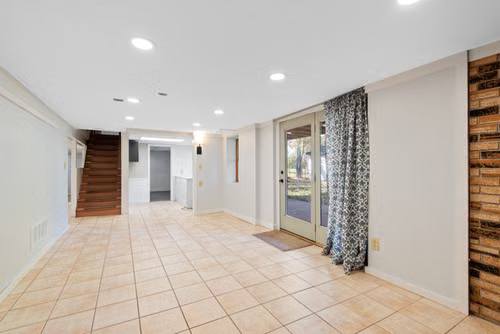
The smell reaches you before the light switch does. You are standing in the doorway with suitcases still in hand, and the house you locked two weeks ago has become something else: damp air, a soft floor, a waterline on the drywall. A supply line let go on day two of your trip, perhaps, and nobody was there to hear it. Water damage restoration exists for exactly this moment, and understanding how it works may be the only thing that keeps this night from spiraling.
Here is the part worth holding onto. Two weeks of unattended water is a serious loss, but it is a known one. Water damage restoration crews see the vacation flood often enough that the response follows a practiced order, and that order matters, because the damage did not happen all at once. It happened in layers. The recovery peels those layers back the same way, only in reverse.
This scenario is more common than most homeowners want to believe. The Insurance Information Institute reports that about one in 60 insured homes files a water damage or freezing claim every year, and empty houses account for the worst of them, since nobody interrupts the leak. Restoration Logistics Centennial handles these calls across the South Metro area, and the story rarely varies: a small failure, a long absence, and a homeowner standing in a doorway wondering where even to start.
What Fourteen Days of Water Does to an Unattended House
Let’s break down what happened while you were gone. Day one, water spread across the floor and found every low point. Day two, it wicked up the drywall and soaked the carpet pad. By day three or four, mold had its opening. The EPA advises drying wet materials within 24 to 48 hours to prevent mold growth, a window that closed before your flight even landed at your destination.
By the end of week one, the subfloor was saturated, and the humidity had climbed high enough to fog windows and dampen closets nowhere near the leak. Week two mostly repeated week one, deeper. Baseboards swelled. Cabinet toe kicks drank from below. The whole house became, in a sense, one large wet room.
Why Water Damage Restoration Runs the Timeline in Reverse
Now the useful part. Restoration does not attack all of that at once. It works backward through the layers, newest problem first. The humidity that built up in week two gets addressed before the saturated framing from week one, and the framing before the finish materials that got wet on day one. The order is not random. Each layer traps the one beneath it, so removing them out of sequence moves moisture around.
That sequencing is why the process looks slower than panicked homeowners expect. It is not slow. It is ordered.
The First 24 Hours: Extraction and Stopping the Clock
The first crew on site does three things. They stop the source, extract the standing water, and map the moisture with meters and thermal imaging, because two weeks of migration means the wet zone is always larger than the visible one. Rooms that look untouched get scanned anyway. This is also when documentation starts: photos, moisture readings, a written scope. Your insurance adjuster will ask when the loss happened and what was done about it, and dated professional records answer that question far better than memory does.
One honest caution here. Do not spend the first night pulling up carpet or running box fans yourself. After fourteen days, this is Category-graded contamination and saturated structure, not a spill.
Drying, Verification, and the Mold Question
Once extraction ends, structural drying begins: air movers, commercial dehumidifiers, and daily meter readings until the numbers, not the eyes, say the house is dry. Materials too far gone get removed instead of dried. Wet carpet pad rarely survives two weeks. Swollen drywall gets cut out above the waterline.
Then comes the question every vacation-flood homeowner dreads asking out loud. Is there mold? After two weeks, the honest answer is usually yes, somewhere. The response is inspection, containment where needed, remediation of affected materials, and antimicrobial treatment, followed by verification that the cleanup worked. Odor treatment comes last, and it only holds because everything under it is actually dry. Deodorizing a wet house is perfume on a problem.
What to Do the Moment You Open That Door
Next steps, in order:
- Shut off the main water valve before anything else.
- Kill power to affected areas at the breaker if outlets or cords sit in water.
- Call a restoration company that answers 24/7, tonight, not tomorrow.
- Photograph everything before touching anything.
- Notify your insurer and start the claim while the crew works.
- Book a hotel and stop breathing that air.
The urge to start cleaning is strong. Resist it. Every hour of amateur effort in a two-week loss risks spreading contamination and muddying the claim record.
Before the Next Trip
The prevention list is short and almost embarrassingly cheap compared to the alternative. Shut off the main water supply before any trip longer than a weekend. Ask a neighbor to walk through the house twice a week, inside, not just to grab the mail. Consider leak sensors near the water heater, washing machine, and under sinks, since a phone alert on day two beats a doorway discovery on day fourteen.
None of that helps tonight, of course. Tonight the job is to make one call and let a trained crew take the weight. A vacation flood feels like the end of your house. It is not. It is two weeks of layered damage, and water damage restoration takes those layers apart the same way they went on, one at a time, until the house you locked before the airport comes back.
